
Author name: emran

Can Dogs Eat Green Peppers?
Blog, Diet and Nutrition, Dogs Care, Healthy Lifestyle

Can Dogs Eat Green Peppers? Learn How to Safely Include Them in Your Dog’s Diet

Key Takeaways Can Dogs Eat Green Peppers? As a dog owner, you might often find yourself wondering which human foods are safe for your furry friend. One common question is, can dogs eat green peppers? The short answer is yes, dogs can eat green peppers in moderation. However, there are key factors to consider. Green peppers are not only safe for dogs but can also provide several nutritional benefits. In this post, we will explore the benefits, potential risks, and how to safely prepare green peppers for your pet. Additionally, we will answer some common questions about incorporating this colorful vegetable into your dog’s diet. Nutritional Benefits of Green Peppers for Dogs Green peppers are a nutritious addition to your dog’s diet, offering various health benefits. Here’s a closer look at their nutritional profile: Vitamins & Antioxidants Green peppers are packed with vitamin C and vitamin A, both of which play essential roles in supporting your dog’s immune function and overall health. Vitamin C acts as an antioxidant, helping to combat oxidative stress in your pet’s body. Fiber Content The fiber found in green peppers aids digestion, promoting healthy gut flora. A well-functioning digestive system is crucial for maintaining your dog’s overall health and can help prevent issues like constipation. Low-Calorie Option For dogs that need to manage their weight, particularly older or sedentary pets, green peppers are an ideal low-calorie treat. They provide a satisfying crunch without contributing excessive calories to your dog’s diet. Hydration With a high water content, green peppers can help keep your dog hydrated, especially in warm weather. Hydration is vital for your dog’s overall well-being and can enhance their energy levels. Incorporating green peppers into your dog’s diet can offer these nutritional benefits while adding variety to their meals. However, always remember to introduce new foods gradually to monitor your dog’s response. Are Green Peppers Safe for Dogs? When considering whether to feed your dog green peppers, it’s essential to understand their safety and any potential risks involved. General Safety Green peppers are generally non-toxic for dogs and can be a safe addition to their diet when given in moderation. However, it’s crucial to introduce them gradually to ensure your dog adjusts well to this new food. Potential Risks While green peppers are safe, feeding them in excessive amounts can lead to digestive discomfort. Some dogs may experience gas, bloating, or diarrhea if they consume too many peppers. Additionally, the seeds and stems of green peppers can pose gastrointestinal issues or even become choking hazards, so it’s important to remove these parts before offering the vegetable to your pet. Differences from Other Bell Peppers It’s worth noting that while all bell peppers (including red, yellow, and orange) are safe for dogs, green peppers are less sweet and may be less palatable for some dogs. This can be a consideration if your dog is picky about their food. In summary, green peppers can be a healthy option for dogs, but always ensure they are fed in moderation and prepared properly to avoid any health risks. How to Safely Prepare Green Peppers for Dogs Proper preparation is key to ensuring that green peppers are safe and enjoyable for your dog. Here are some important steps to follow: Raw vs Cooked When deciding whether to serve green peppers raw or cooked, consider that lightly cooking them, such as through steaming, can make them easier for dogs to digest. Raw peppers can be tough on some dogs’ stomachs, potentially leading to discomfort. Remove Seeds and Stems Always make sure to remove the seeds and stems before feeding green peppers to your dog. These parts can be hard to digest and may lead to gastrointestinal issues if consumed. Bite-Sized Pieces To prevent choking hazards, cut the green peppers into small, chewable pieces. This is especially important for smaller dog breeds, as larger chunks could pose a significant risk. Serving Size Guide When offering green peppers to your dog, it’s essential to consider their size. Here are some general guidelines: These serving sizes help ensure that green peppers are a healthy treat without overwhelming your dog’s digestive system. By following these preparation tips, you can safely incorporate green peppers into your dog’s diet while minimizing any potential risks. Health Risks and Precautions While green peppers can be a nutritious treat for dogs, it’s essential to be aware of potential health risks and take appropriate precautions. Overfeeding Issues Feeding your dog too many green peppers can lead to digestive upset. Symptoms may include vomiting, diarrhea, or general stomach discomfort. To prevent these issues, always offer green peppers in moderation and observe how your dog reacts. Allergies & Sensitivities Similar to humans, dogs can develop food allergies or sensitivities. When introducing green peppers, watch for signs of an allergic reaction, such as itching, swelling, or digestive disturbances. Seek immediate veterinary advice if you observe any concerning symptoms. Spicy Peppers Warning It’s important to differentiate between sweet bell peppers and spicy peppers like jalapeños or habaneros. Spicy peppers contain capsaicin, which can be harmful to dogs, causing gastrointestinal irritation and discomfort. Always ensure that only sweet bell peppers, such as green, red, yellow, or orange, are offered to your pet. By being aware of these health risks and taking the necessary precautions, you can safely include green peppers in your dog’s diet while minimizing potential issues. Remember that moderation is key to keeping your furry friend happy and healthy. How Often Should You Feed Green Peppers? Incorporating green peppers into your dog’s diet can be beneficial, but it’s important to maintain balance and moderation. Moderation is Key When it comes to feeding green peppers, moderation is essential. These colorful vegetables should be treated as an occasional treat rather than a regular part of your dog’s diet. It’s generally recommended that green peppers contribute no more than 10% of your dog’s daily caloric intake. This helps ensure that your pet receives a balanced diet without overloading on any one food. Balanced Diet The
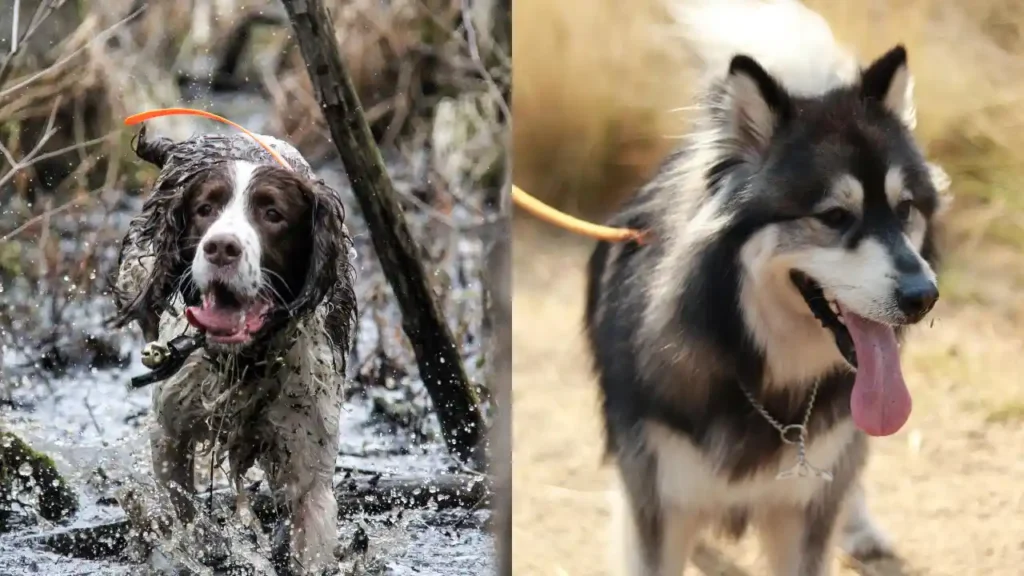
why is my dog panting so much?
Blog, Dogs Care, Healthy Lifestyle, Recommendations

Why Is My Dog Panting So Much? | Signs, Causes, and When to See a Vet

Key Takeaways: Dogs pant to regulate their body temperature, which is a normal and essential cooling mechanism since they cannot sweat like humans. However, when panting becomes excessive or unusual, it may be a sign of an underlying health issue. Knowing the difference between normal panting—such as after exercise or on a hot day—and excessive panting is important for your dog’s well-being. While normal panting helps cool down your dog, excessive panting could indicate issues like heatstroke, pain, anxiety, or even serious medical conditions. Monitoring your dog’s behavior and recognizing these signs early on can help prevent more severe problems. What Is Panting in Dogs? Panting is a natural way for dogs to regulate their body temperature since they can’t sweat like humans. When a dog pants, they take quick, shallow breaths, allowing moisture to evaporate from their tongue, mouth, and upper respiratory tract, which helps cool them down. Normal panting occurs after exercise or when a dog is exposed to warm temperatures, and it generally stops once they rest or cool down. However, heavy panting may be a sign of concern. This happens when your dog pants heavily even when not exerting themselves or in cool environments. If the panting seems unusual, lasts longer than usual, or is accompanied by other symptoms like restlessness, it’s important to pay attention and consider whether a deeper issue may be at play. Common Causes of Excessive Panting Several factors can contribute to excessive panting in dogs. Understanding these potential causes can help you determine whether your dog’s panting is normal or if it requires veterinary attention. Below are some common reasons for excessive panting: Heat and Overexertion One of the most common reasons for panting is to cool down after exercise or exposure to heat. When dogs become overheated or engage in strenuous activity, panting helps regulate their temperature. Tip: Ensure your dog has access to shade and fresh water during walks or playtime, especially on hot days, to prevent overheating. Anxiety and Stress Dogs often respond to emotional stressors, such as fireworks, separation anxiety, or car rides, by panting more than usual. This type of panting is usually accompanied by other signs of anxiety, like pacing or whining. Actionable Tip: Try calming techniques such as pheromone diffusers or gradual exposure therapy to help reduce your dog’s anxiety levels. Pain or Discomfort Panting can also be a sign of pain. Conditions like arthritis, injuries, or other health issues may cause your dog to pant more often. If your dog is panting along with other signs like limping, lethargy, or avoiding activities, pain may be the cause. Actionable Tip: Monitor your dog’s behavior closely and consult a veterinarian if you suspect that pain is behind the excessive panting. Obesity Carrying extra weight can put a strain on a dog’s cardiovascular and respiratory systems, making it more difficult for them to breathe properly and resulting in heavier panting. Actionable Tip: Work with your vet to create a healthy diet and exercise plan to help your dog manage their weight and reduce strain on their body. Respiratory Problems Issues like laryngeal paralysis or lung disease can interfere with your dog’s ability to breathe normally, leading to excessive panting. You may also notice additional symptoms such as coughing, wheezing, or trouble during physical activity. Actionable Tip: Keep an eye on these accompanying signs and consult your vet if you suspect any respiratory issues. Medication Side Effects Certain medications, such as steroids, can cause panting as a side effect. If you notice your dog panting more than usual after starting new medication, this could be the reason. Actionable Tip: Always consult your vet if you notice abnormal panting after introducing new medications. Cushing’s Disease Cushing’s disease is a hormonal disorder in which the overproduction of cortisol can lead to symptoms like excessive panting, increased thirst, and frequent urination. If you notice a combination of these symptoms, it may be time to have your dog evaluated for Cushing’s disease. How to Identify When Panting is a Problem Not all panting is a cause for concern, but knowing when it becomes problematic is essential. Here are a few signs to help differentiate between normal and excessive panting: Checklist for Problematic Panting Breeds at Higher Risk Certain breeds, particularly brachycephalic breeds like Bulldogs, Pugs, and Boxers, are prone to breathing difficulties due to their short noses and narrow airways. These dogs may pant more than other breeds even under normal conditions, but it’s important to watch for signs of distress or prolonged panting that could indicate a more serious issue. If your dog exhibits any of these signs, it’s a good idea to consult your veterinarian to rule out underlying health problems. When Should You Call the Vet? While panting is a normal part of a dog’s life, there are situations where immediate veterinary attention is necessary. It’s important to know when your dog’s panting is more than just a way to cool down. Here are a few situations where you should contact your vet: Tip: Keep track of any patterns or triggers related to your dog’s panting, such as specific activities, environments, or times of day, and share these observations with your vet. This information can help in diagnosing any underlying conditions. Home Remedies to Help a Panting Dog If your dog is panting excessively, there are a few home remedies and steps you can take to help them cool down and feel more comfortable. However, remember that if your dog’s panting is persistent or unusual, consulting a veterinarian is crucial. Here are a few practical tips you can try at home: Cooling Strategies Anxiety Reduction Tips If your dog’s panting is related to stress or anxiety, creating a calm environment can help: Diet & Exercise Tips Managing your dog’s weight and activity level is crucial in preventing excessive panting related to obesity or overexertion: Conclusion Monitoring your dog’s panting is essential for maintaining their health and well-being. While panting is a normal part of your dog’s cooling

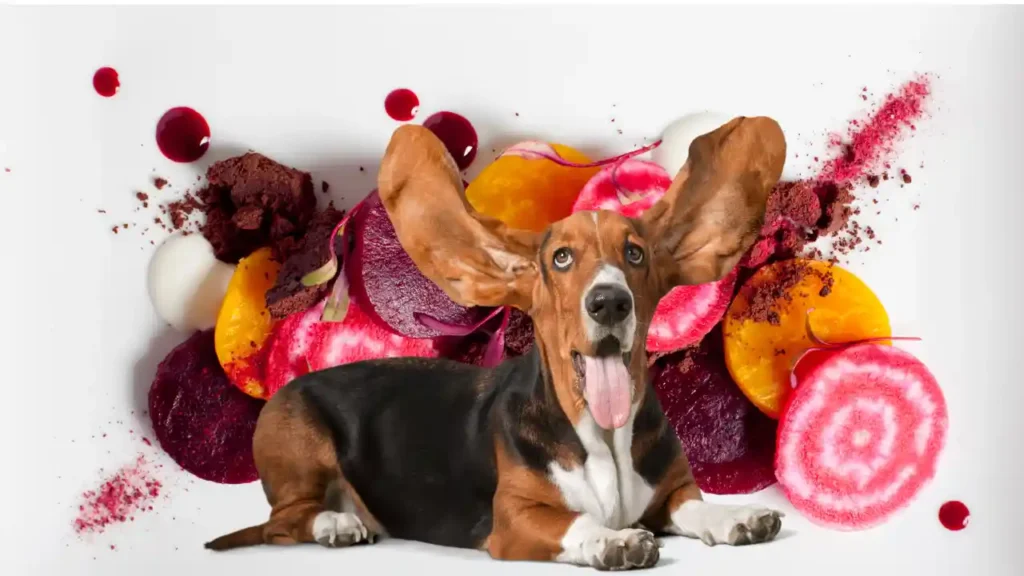
can dogs eat beets
Blog, Diet and Nutrition, Dogs Care, Healthy Lifestyle, Recommendations

Can Dogs Eat Beets? Benefits, Risks, and How to Safely Serve Beets

Key Takeaways: Can Dogs Eat Beets? Yes, dogs can eat beets, but it’s important to serve them with some precautions. As more pet owners look to introduce healthy human foods into their dogs’ diets, beets have gained popularity for their nutritional benefits. However, like any new food, moderation is key, and it’s crucial to understand how beets may impact your dog’s health. While beets are packed with essential vitamins and minerals, there are also a few concerns to be aware of, such as potential allergies or digestive issues. Before adding beets to your dog’s diet, it’s essential to weigh the benefits and risks. Nutritional Benefits of Beets for Dogs Beets are a nutrient-dense vegetable that can offer several health benefits to dogs when served properly. They are rich in vitamins and minerals such as Vitamin C, folate, manganese, and potassium. These nutrients are essential for your dog’s immune system, overall cellular health, and maintaining healthy blood pressure levels. One of the standout properties of beets is their antioxidant content, particularly betalains. These antioxidants have anti-inflammatory effects, which can help reduce inflammation and support joint health, especially in older dogs. Additionally, beets are low in calories but high in fiber, making them a great option for dogs needing help with digestion or weight management. For dogs that need a fiber boost, beets can help maintain healthy digestion, promote regular bowel movements, and support overall gut health. When served in moderation, beets can be a wholesome addition to your dog’s diet without adding unnecessary calories. However, it’s essential to ensure beets are part of a balanced diet to avoid overconsumption of certain nutrients. Risks and Precautions of Feeding Beets to Dogs While beets can offer several health benefits, there are also some risks and precautions to consider before adding them to your dog’s diet. One of the primary concerns is the presence of oxalates, which can contribute to the formation of kidney stones in some dogs. Dogs with a history of kidney issues or prone to developing stones should avoid beets, as oxalates can cause complications over time. Another risk is potential allergies. Although rare, some dogs may develop an allergic reaction to beets. Signs of a beet allergy can include itching, swelling, or gastrointestinal issues such as diarrhea or vomiting. If your dog shows any of these symptoms after eating beets, discontinue feeding them immediately and consult a vet. Raw beets can also pose digestive concerns. They are harder for dogs to digest compared to cooked beets, which can lead to stomach upset or even intestinal blockages in severe cases. Therefore, it’s recommended to serve beets cooked—boiled or steamed—to make them easier on your dog’s stomach. Another harmless but potentially alarming side effect of feeding your dog red beets is beeturia, which can turn your dog’s urine or stool red. While this is not harmful, it can be surprising for pet owners, so it’s important to be aware that this can happen. How to Safely Prepare Beets for Your Dog When adding beets to your dog’s diet, it’s crucial to prepare them in a way that ensures safe consumption and maximizes the benefits. The best way to serve beets is by cooking them, as cooked beets are much easier for dogs to digest compared to raw ones. Steaming or boiling beets are ideal methods, as these retain most of the nutrients while softening the vegetable enough for easier digestion. When it comes to portion control, moderation is key. The amount of beets you should serve depends on the size of your dog. For small dogs, start with a teaspoon of cooked, plain beets, Meanwhile, larger dogs can tolerate up to a tablespoon. Always introduce new foods gradually to observe how your dog reacts. It’s also important to remember that seasoning or additives like salt, garlic, or oils should never be added to beets when serving them to your dog. These ingredients can be harmful to dogs, so always keep beets plain and unseasoned. Offering your dog plain, cooked beets ensures they are getting the nutrients without the risk of ingesting harmful substances. Innovative Ways to Incorporate Beets into Your Dog’s Diet. Incorporating beets into your dog’s meals doesn’t have to be boring. There are several creative ways to make beets an enjoyable and nutritious addition to your dog’s diet: These creative methods ensure that your dog not only enjoys the taste of beets but also benefits from their nutritional value in a variety of ways. Signs Your Dog May Not Tolerate Beets While beets can be a healthy addition to your dog’s diet, some dogs may not tolerate them well. It’s essential to be aware of the signs that your dog may be having a negative reaction to beets. Recognizing these signs ensures that you can act quickly if your dog does not tolerate beets well, keeping their diet safe and healthy. Conclusion: Are Beets Good for Dogs? In summary, beets can be a nutritious addition to your dog’s diet when served in moderation and properly prepared. Packed with essential vitamins, minerals, and antioxidants, beets can support your dog’s overall health, especially their digestion and immune system. However, it’s important to be cautious of potential risks like oxalate buildup and allergic reactions. Always ensure you cook the beets and serve them without any seasoning, and monitor your dog for any signs of digestive issues or allergies. As with any new food, it’s always a good idea to consult your vet before making any significant changes to your dog’s diet, especially if your dog has pre-existing health conditions. FAQs: Everything You Need to Know About Dogs and Beets

 Your Trusted Guide for All Things Dog

Additional Info

© 2024 Professional Dog Expert. All rights reserved.

Scroll to Top